Tesla Sets Late-2026 Target for Cybercab Customer Handovers
While initial units remain in the company's own robotaxi fleet, Tesla officials confirm that private customers can expect to receive the autonomous two-seater before the end of the year.
By Ishani Kapalli ·
For prospective buyers and transit users in the Southwest, the timeline for accessing Tesla’s fully autonomous two-seater has shifted from open-ended speculation to a concrete deadline. Following the company’s third-quarter earnings call on October 21, executives confirmed that the Cybercab is on track to reach private hands before the close of 2026. This marks a significant milestone for the vehicle, which has long been viewed primarily as a fleet asset rather than a standard consumer car.
The definitive schedule was outlined during the earnings call by Lars Moravy, Tesla’s Vice President of Engineering. Moravy stated that the company is actively working to place Cybercabs in the hands of customers by year-end. He noted that while production is currently active on the assembly line at Gigafactory Texas, the immediate output is being directed almost exclusively toward Tesla’s internal Robotaxi operations. This strategy allows the company to refine its operational models before expanding sales to the general public.
Elon Musk, Tesla’s Chief Executive Officer, reinforced the strategic focus on the vehicle as a service rather than a traditional ownership model. Musk described the Cybercab as a "transport-as-a-service" offering, distinguishing it from the Model 3, Model Y, or the upcoming Roadster. He emphasized that the vast majority of these units will remain Tesla-owned, suggesting that private ownership will be a secondary channel for the product in its initial rollout.
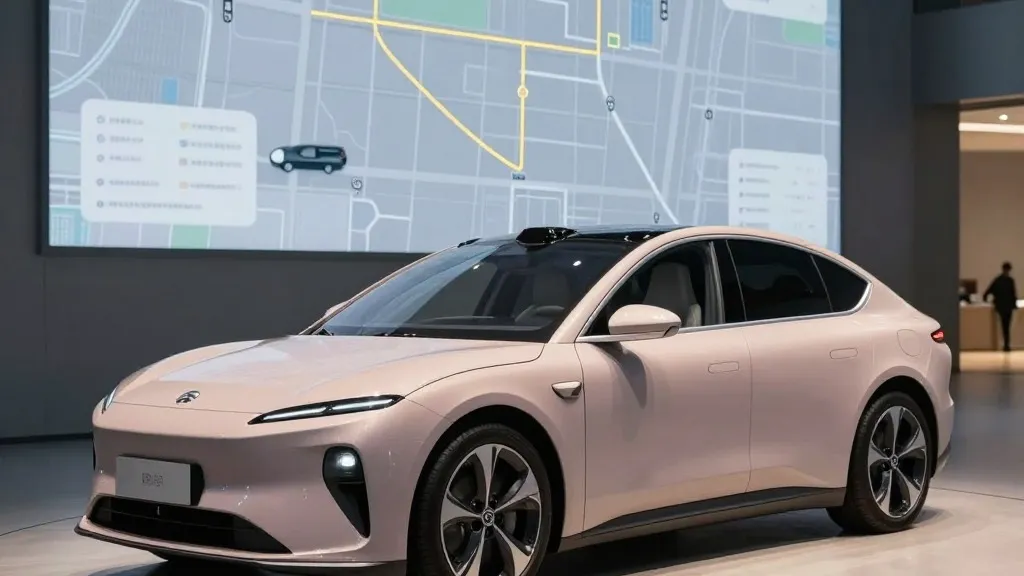
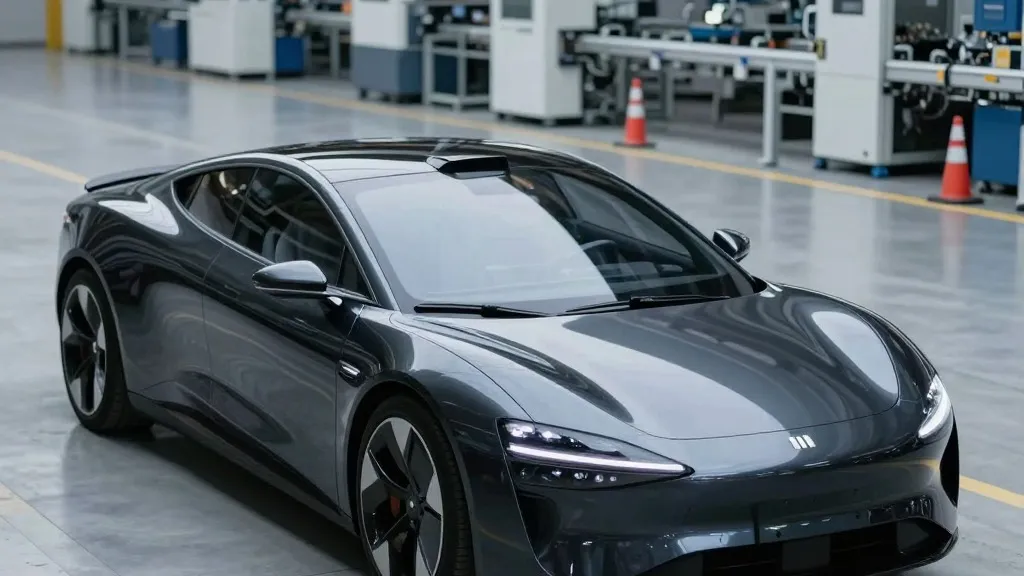
The Cybercab represents a distinct departure from Tesla’s previous automotive designs. It is a two-seater vehicle constructed without a steering wheel or pedals, relying entirely on the company’s Full Self-Driving suite to operate. Production of the vehicle began in February of this year. Early units have already entered the workforce, with Tesla launching public rideshare services in early September. The company has previously indicated an approximate price point of $30,000 for the vehicle, though current sales are focused on scaling fleet reliability first.
As the company scales its operations, Moravy explained that the goal is to deliver fully designed autonomous vehicles to customers, with the Cybercab serving as the first example. However, he cautioned that initial customer deliveries will be limited in volume. This gradual approach is intended to allow the company to gain experience in delivery logistics, ownership structures, and the management of autonomous vehicles operating outside of Tesla’s direct corporate control.
Regulatory and technical hurdles remain a factor in the broader rollout of autonomy. Ashok Elluswamy, Tesla’s Head of AI, indicated during the call that unsupervised Full Self-Driving capabilities are expected to ship to consumer cars during the second quarter of 2027. This timeline suggests that while the Cybercab will be delivered sooner, the full suite of autonomous features for other models will follow in the coming year.
Early adopters and fleet operators should anticipate that the geographic range of their vehicles may initially be restricted. Elluswamy noted that lagging regulatory agencies could impose limitations on where the autonomous operation is permitted. This means that while the hardware may be ready, the software’s operational boundaries will depend on local regulatory approvals and testing results.
The shift toward customer delivery signals a maturation of Tesla’s robotaxi ambitions. By integrating the Cybercab into the general market, the company aims to validate its autonomous technology in a broader range of real-world conditions. For the Southwest market, which has been a key region for Tesla’s operations, this development promises to expand the availability of autonomous transport options before the end of the current year.
While the primary focus remains on the Tesla-owned fleet, the confirmation of a customer delivery date provides clarity for those who have been waiting for the vehicle. The company’s approach balances the need for rapid expansion with the necessity of managing complex logistics and regulatory landscapes. As production continues at Gigafactory Texas, the coming months will determine how quickly these internal units transition to the private market.
In summary, the Cybercab is no longer just a concept or a fleet-exclusive vehicle. With a target delivery date set for late 2026, Tesla has provided a clear path for customers to access the technology. The transition from internal testing to private ownership will be gradual, but the groundwork is now officially laid for the vehicle’s broader commercial introduction.
Source: Teslarati